AI for Marketing Content and Copy Creation: More Artificial Than Intelligence

Artificial intelligence is here to stay regardless of what anyone thinks. Just follow the money. Private investment pumped more than $471 billion into AI between 2013 and 2024, with $109 billion flooding the sector in 2024 alone. A stake that large demands a return, and the financiers will stay at the table until they get it.

Whether or not AI’s financial trajectory follows the dotcom overvaluation and ultimate crash in 2000  remains to be seen, but for now AI news, hype, speculation and profiteering are stampeding across the media plain. It’s hard to turn around without bumping into somebody that wants to show you how to cash in on AI’s new frontier. Marketing folk are among those at the front of the line. But how much can it really do for you? How much should it do for you?

Ever seen an algorithm? 

Now you have. Conceptually, it’s simple. An algorithm is a defined procedure or instructions to produce a desired result from a given input. For marketing content creation and copywriting, Natural Language Generation and machine learning models are instructed (by fallible humans) to analyze and “understand” patterns, grammar, and data to generate new copy and content based on specific prompts and parameters. It assimilates vast quantities of data and language patterns to replicate what it believes a human would create. 

Keep one hand on the controls

As you might guess, the prevailing opinion around here is that words are important. One should read them closely and not ignore the obvious. For now at least, AI is what it says it is regarding intelligence. It’s artificial. Perhaps the moniker is the best the lab coats could conjure when naming the beast, but AI is a suburb of the oxymoron. Jumbo shrimp, virtual reality, artificial intelligence.

AI will sort and parse a mass of information for quick conclusions and answers.That’s helpful, especially when dealing with unfamiliar topics and scenarios that start with the question where do I begin? It can assist in brainstorming — with the understanding that AI is not thinking. It’s just digging into nooks and crevices that might take you hours to find, much less analyze.

It will generate marketing content and copy, but the rub starts here. AI can also misinterpret information, particularly where a nuanced understanding of a client’s business operation is concerned. And since AI essentially gathers and seeks patterns in existing data, it can also simply be wrong. Garbage in; garbage out. Finally, AI does not empathize, or strategize based on genuine human connections and needs. It does not create authentically.

A final question

AI certainly has its place at the table. The capacity to quickly sift through the increasing amount of available information to develop a unique nugget or angle is certainly beneficial. But nurturing that new-found nugget into a convincing unique selling point requires a deft hand and thorough understanding of customer pain points and a client’s connection to them. Creativity is an excellent word for the process.

You should also know that while some marketing content creators are all in on using AI to “do more with less” and crank out copy as quickly and effortlessly as possible, not all clients are on board. I have heard clients scornfully question uninspired content copywriting by asking, “Is this AI? It sounds like AI.” They are not happy, and they have a right to be. They’re paying a writer to write original content that conveys a message, not plug in some prompts and smooth out the edges of the regurgitant.

In the end, ask yourself: does the customer want to shake hands and hear from you/your client or an algorithm? 
A Pandemic Mulligan for Content Creation

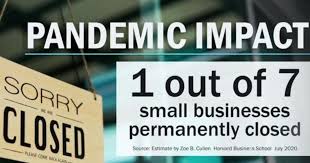
Early 2020 brought a chance to prepare for and even capitalize on a significant online sales spike. Pandemic-induced physical, economic and emotional shutdowns all but guaranteed meaningful sales growth, marketing exposure and brand visibility were going to happen only through ecommerce, if they occurred at all.

Threat as Opportunity

Those who recognized the COVID clampdown as opportunity rushed to shore up websites with fresh content creation, copywriting improvements and features that made doing business online brisk sailing that was easier and more efficient. 

Those who panicked and tucked into their shells were becalmed with little wind to move forward. They missed the first chance.

Ecommerce Sales Boom

During the first six months of 2020, U.S. retailers saw online sales jump 30% over the same period in 2019, according to digitalcommerce360.com. Online spending accounted for a solid 18.6% of total retail sales during the first two quarters of last year. Farreeh Ali, Charts: How the corona virus is changing e-commerce, digitalcommerce360.com, August 25, 2020; www.digitalcommerce360.com/2020/08/25/ecommerce-during-coronavirus-pandemic-in-charts/.

Those positioned to ride the  online surge with a strong customer- and user-friendly web presence not only survived the downturn but in some cases made a real go of it.

The Next Window of Opportunity

Businesses that misread the tea leaves and didn’t optimize their websites before the storm may be languishing, but there’s a new wind on the horizon. Another opportunity is coming. You might want to start climbing the rigging and trimming the sails.

In “An Overview of the Economic Outlook: 2021 to 2031”, the Congressional Budget Office said the economic expansion uptick that started during the middle of last year will continue.

More importantly, the CBO said Real GDP (gross domestic product) will return to prepandemic levels by the middle of this year. Increased vaccine production and distribution leading to reduced social distancing is cited as a major contributing factor to the economic upswing, the report states.

As encouraging, unemployment will drop over the next four years, with unemployment/employment levels returning to prepandemic numbers by 2024, the report states.

Online Buying is Here to Stay

Brick and mortar reopenings and rebounds will account for most of the rising tide, but there’s also little indication pandemic-imposed trends toward increased online shopping will go away anytime soon. Online business volume is not going to shrink simply because shop doors swing back open. 

Those already heavily involved with online commerce have become more immersed, and the sector has seen previously reluctant demographics (think, Baby boomers) buy in and accept the platform for what it can do (and, equally important, what it allows them to avoid.)

Overall, business across the board will build momentum and generate more revenue to be spent on pent-up demand.

Jump-start Content Creation Now

Now is the time to get ahead of the curve and get your website healthy before the dam breaks open.

In addition to checking under your site’s hood – security, on-site SEO, mobile compatibility – look critically at your content. How does it read? Does it say what you need and want it to say? Are your calls to action specific and effective? Are you informing visitors and providing the information they need at the top of the sales funnel? Are you generating leads with quality gated content?

More importantly, does your content create a compelling story to attract and retain those looking for what you have? It’s not hard to show customers you’re a thought leader, it just takes time.

If you haven’t critiqued you web copy recently, or if it hasn’t been updated since the site was launched, it’s time. Now before another opportunity is lost.

We Can Create Content While You Do Business

C3 can help. We can audit your site to determine where content is lacking or nonexistent. We can create content that is fresh and relevant so you can do what you do best, selling and serving your customers. 

Contact us today, before the window closes again.

Easy website revitalization for the new year

New Year. New resolutions. New goals. New website?

You don’t have to avoid tweaking your website because you fear it’s too cumbersome and expensive. In most cases, it just doesn’t take much to revitalize and rejuvenate a web presence. Sometimes it can be as simple as some fresh copywriting and content creation.

Look at these nine suggestions to improve your website. Keep in mind visitors want something worthwhile, they want it fast and they don’t want to work too hard for it.

Also, don’t be afraid to experiment, change things up and see what happens. You can always go back to Plan A, but if you never reach for Plan B or C, you’ll never know what, and more importantly, who you’re missing.

First, let’s check under the hood.

Is your web address simple and relevant to what you do?

A domain name – c3contentcreation.com – for example, is a customer’s first peek at who you are and what you do. It’s what they’ll type into a search browser or see first in the search results.

Always opt for .com domains as users have been conditioned to look for that extension. Non-profits are now associated with .org domains, but it’s not a bad idea to have a .com version as well.

In all cases, keep the address simple and pertinent to your business.

Utilize SEO basics.

You don’t have to be a black- (or white-) hat wizard to employ simple SEO techniques for improved ranking and visibility.

Know what keywords to use in your site copy, content and blogs (there are plenty of online tips for basic keyword research), use plenty of internal/external links and make sure your pages and URLs are properly titled and formatted.

Finally, avoid text-density by using plenty of eye-catching images and videos.

Improve site navigation.

Once people find your site, the last thing you want is to lose them because they can’t get where they want to go.

Use dropdowns in navigation menus so customers can find and get to what you have to offer from anywhere on the site.

Again, simplicity and clarity are key. Though they might politely listen during a face2face pitch, they’ll be gone in a heartbeat if navigating your site is too much trouble.

Eye-friendly design.

Dense, text-laden web pages are an open invitation to “keep moving.”

According to Statisticbrain.com, you have on average eight seconds to grab a web visitor’s eyes and attention. In those eight seconds, she is scanning for something that will keep her on the page. Long swaths of gray text scan directly to the exit sign.

Layout and design optimized for scanning stand the best chance of keeping people on your site. Short paragraphs, bullet points, and highlighted words and phrases will catch eyes and slow the pace for a full read.

Clearly define who you are.

Walt Whitman said, “Simplicity is the glory of expression.”

Does your homepage express who you are, what you do and how you do it clearly and simply? If not, those eight seconds will go by extremely fast and your online prospect is gone.

Tell visitors precisely what you do, why you are right for them and why they should keep reading.

Easy to find contact information; clear calls to action.

What do you want your visitors to do? Contact you for a quote? Fill out a landing page form? Download an offer? Subscribe to your newsletter?

Be specific and clear; define exactly what you want prospects to do, and make it simple with highlighted text or buttons.

If they want to go further, make sure all forms of contact information – email, telephone, physical address, Google map – are located on every page. You never know where along the browsing journey customers will decide to call. Don’t make them search – top right or left corners of the homepage are preferable along with footers and sidebar on interior pages.

Testimonials/Third-party proofs.

Satisfied customers turned advocates make the best sales department. They will and can say things about your products and services that ring louder and clearer than any amount of creative copywriting.

Including testimonials and case studies on your website is one of the strongest improvements you can make to capture reader interest.

Freshen up the content.

When’s the last time you updated website content and copy? Today’s buyers are educating themselves, and if the information they need isn’t on your site, they’ll find it somewhere else.

Has your homepage changed at all in the last two years? If not, why would a customer spend any time there on a return trip?

In addition to improving web search ranking, updated, well-written, quality content such as regular blogs and social posts provide users what they’re looking for and keep them engaged.

Wrapping up.

You don’t have to completely redesign your website for a new look and feel to draw potential customers in and give them what they’re after.

Tweaking a few SEO details, ensuring people know what you want them to do and how to do it, clarifying your message and mission and providing fresh content is really all you need to get a “new” website for the new year.

Let’s do it.

It’s time to start caring.

So, here we go.

A new website. A fresh start. And multitudes of lost blogs.

No matter. It’s time to start fresh. Time to turn the proverbial leaf. Time to start caring again. Caring about good writing. Readable writing. Writing that means more than baits, bucks and clicks.

Not that there’s anything wrong with having one’s writing make a few bucks. That’s what clients need. That’s what writers need, and the kids have to eat.

But now’s a good time to start caring again.

In another epoch, web marketing copy was all about keywords. Lots of ’em. There were even tools to scan the page to know how many were there.

Website copywriting went something like this:

Jim Mayfield is an Indianapolis-based marketing copywriter, living in Indianapolis who writes copy and provides marketing copywriting services for businesses that need copywriting in Indianapolis that want copywriting done really fast and really cheap. In Indianapolis, where copywriters live.

That sound you hear is the reader chambering a round into her Glock. Followed by a loud bang. Followed by the screams of her loved ones as they discover the mess.

Fortunately for all of us, the Algorithm King ruling our world caught on and started penalizing such travesty.

Then the Blackhatters figured out a way to stuff a gazillion keywords behind the scenes, coding them so at least we didn’t have to read the crap. The Algorithm King caught that, too, and now – kinda, sorta, we’re back to writing stuff people can actually read.

Kinda, sorta. (More on that in a subsequent post.)

But, alas, it seems people have stopped caring. And it’s pervasive.

There was time on a major news outlet or publication one could not – as in COULD NOT! – find any form of typo, misspelled word, run-on or other written error. Copy was clean, clear and concise.

However, with private equity firms and advertising jocks now ruling the roost, calling the shots, cutting costs and eliminating editors, writers and production folk – generally squeezing the nickel ’til the buffalo screams – errors appear like pepper on mashed potatoes. Some minor and insignificant, some so glaring one wonders if the scribe was a fourth-grader.

Everything is on the cheap and on the rush.

And that’s a problem. But it’s not the real problem. It’s not the problem that’s going bite us in the end, bringing down Western Civilization and the world as we know it.

The problem is we’re getting used to it. It’s becoming OK to see typos, the possessive form family’s when the context calls for the plural form families, and subjects and predicates that agree less than Congress.

Now before you consider the foregoing to be the ramblings of a madman who’s spent too much time with support techs trying to get this website up and running, or a jaded oldster who just will not bend with the times and wants to see a resurgence of bell bottom jeans, let me suggest an alternative theory.

We’re getting sloppy. Writers are getting sloppy (or trying to do too much with too little – or both), editors and publishers are getting sloppy and readers are getting sloppy.

A few days ago, one of our most famous Mad Men, Elon Musk, got sloppy on a major marketing campaign. He unveiled his new indestructible, bullet-proof truck to the world and then promptly smashed the windows out of it for all to see.

Did anyone think to test it first? Maybe do a dry run? Maybe he only had one truck.

Sloppy.

So rather than make a pitch as an Indianapolis-based copywriter that will make a mistake but won’t be sloppy (wasn’t that sublime?) let me ask for your help. Don’t encourage sloppy, tacky, unkempt writing. Write (and proofread) a letter to the editor pointing out errors with kindness. Help them help themselves.

Shine the light on a glaring omission in your website copy or that of a friend.

Take the time to care. So we can all put away our guns.

See ya next time.